Buy fitness-clothing.com ?
We are moving the project
fitness-clothing.com .
Are you interested in purchasing the domain
fitness-clothing.com ?
domain@kv-gmbh.de · 0541-91531010
Buy fitness-clothing.com ?
What are reactants and products?
Reactants are the starting materials in a chemical reaction that undergo a change to form new substances called products. Reactants are consumed during the reaction, while products are the end result of the reaction. The reactants are typically written on the left side of a chemical equation, while the products are written on the right side. **
What are limiting reactants in chemistry?
Limiting reactants, also known as limiting reagents, are the reactants in a chemical reaction that are completely consumed, thus limiting the amount of product that can be formed. In other words, they determine the maximum amount of product that can be produced in a reaction. The concept of limiting reactants is important in stoichiometry, as it helps to determine the theoretical yield of a reaction and identify the excess reactant that will be left over after the reaction is complete. **

Similar search terms for Reactants
Top-Angebote
Products related to Reactants:
-
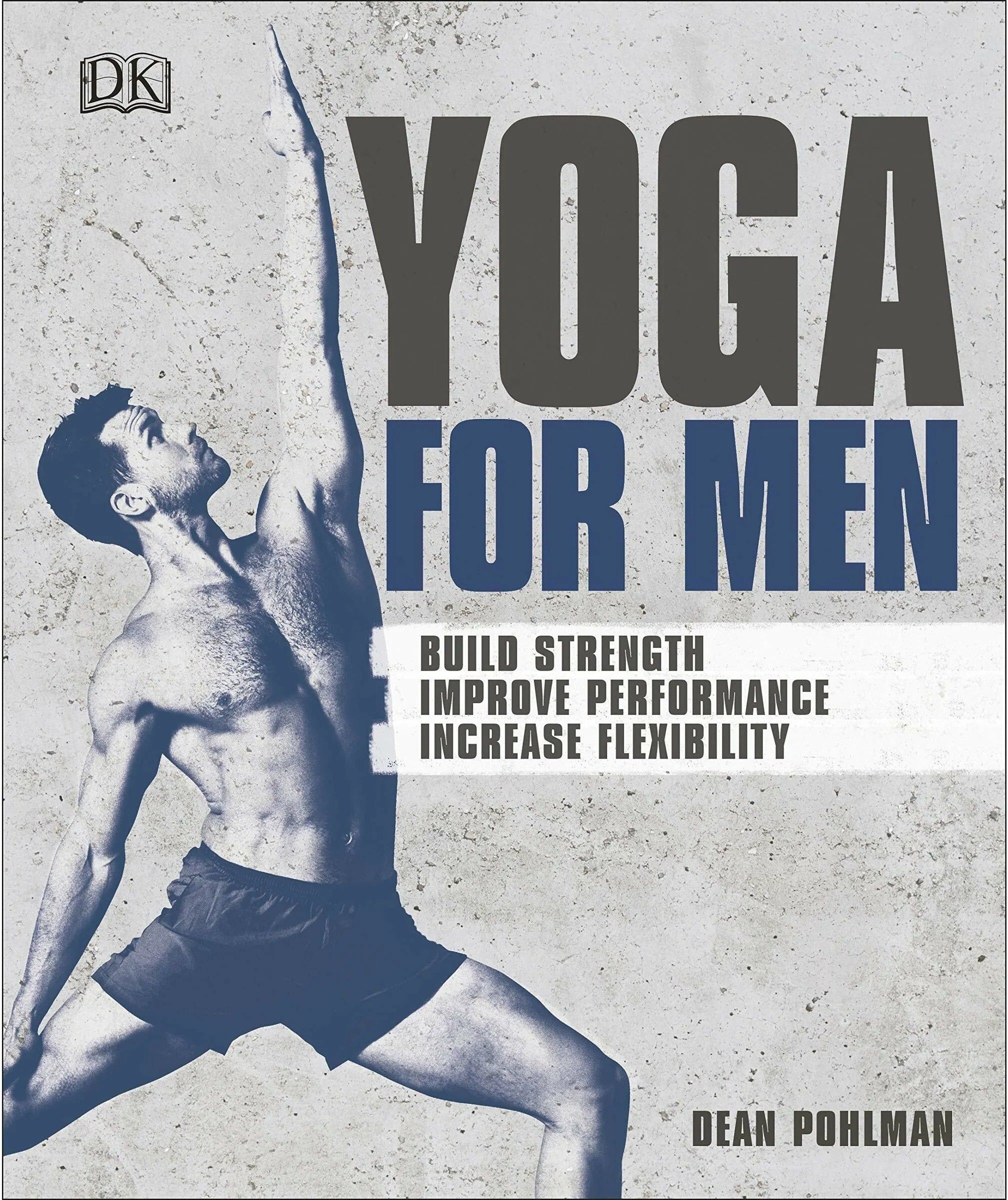
Yoga For Men: Build Strength, Improve Performance, Increase Flexibility by Dean Pohlman - DK Paperback - Men's Fitness & Sports Yoga Guide with 50+Yoga for men: build strength, improve performance with this practical fitness guide. Written by Dean Pohlman, founder of Man Flow Yoga, it strips yoga back to its core for men who train hard. This book treats yoga as a training tool, not a lifestyle change, and provides clear photography and step-by-step instruction for over 50 key postures. It's aimed at the male body and typical male tightness patterns, making every posture approachable for beginners and seasoned athletes alike. With precise coaching cues and full-colour photographs, this guide helps you improve mobility, strengthen your core, reduce injuries, and enhance performance in the gym or on the pitch.9,99 £*Shipping: 2,99 £Secure redirect to the provider
-
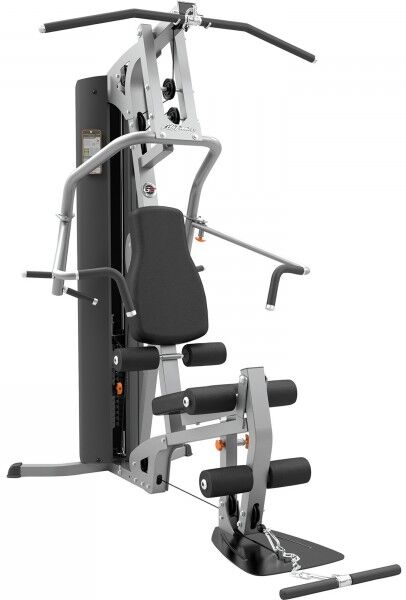
Life Fitness G2 Multi GymThe Life Fitness G2 Multi Gym is a compact multi-gym that is perfect for your home gym. It sports a 160-lb weight stack and ergonomic motion paths to ensure your workouts are safe and challenging. MULTIFUNCTIONAL EXCELLENCE The G2 Multigym provides over twenty exercise options, including chest...1295,00 £*Shipping: 0,00 £Secure redirect to the provider
-
Life Fitness G4 Multi-GymThe Life Fitness G4 Multi-Gym offers a variety of fixed-motion strength training options to keep your body in top shape—all within the comfort of your own space. It includes dual pivot pec/reverse arms, mid pulley, lat pulldown, and low row bars, providing a range of upper body exercises for...1699,00 £*Shipping: 0,00 £Secure redirect to the provider
-
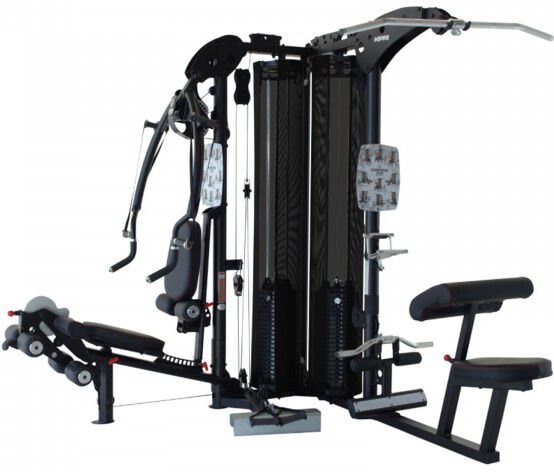
inspirefitness Inspire Fitness M5 Multi-GymThe Inspire Fitness M5 Multi-Gym is a high-end, dual-stack strength training system designed for serious home users and commercial facilities. With two independent 95kg (210lbs) weight stacks, two people can train at the same time without taking turns. The press arm moves in fixed and free...3599,00 £*Shipping: 0,00 £Secure redirect to the provider

-
How do you calculate reactants in chemistry?
To calculate reactants in chemistry, you first need to write a balanced chemical equation for the reaction. Then, determine the molar ratio between the reactants and the product in the balanced equation. Next, calculate the number of moles of the known reactant using its given mass or volume and its molar mass. Finally, use the molar ratio to calculate the number of moles of the other reactant needed for the reaction. **
-
Are only reactants given in redox reactions?
No, redox reactions involve both reactants and products. In a redox reaction, one substance undergoes oxidation (loses electrons) while another undergoes reduction (gains electrons). Therefore, both the reactants and products are involved in the redox process. The reactants are the starting materials that undergo the redox reaction, while the products are the resulting substances after the redox reaction has occurred. **
-
How do you calculate the reactants in chemistry?
To calculate the reactants in a chemical reaction, you first need to write out the balanced chemical equation for the reaction. Then, you can use stoichiometry to calculate the amount of reactants needed based on the desired amount of product. This involves using the coefficients in the balanced equation to set up conversion factors and then using these conversion factors to calculate the amount of reactants required. Finally, you can use the molar mass of the reactants to convert between mass and moles if necessary. **
-
What are the products and what are the reactants?
In a chemical reaction, the reactants are the substances that undergo a chemical change to form new substances called products. Reactants are the starting materials that are transformed into products during the reaction. The products are the end result of the chemical reaction, formed from the rearrangement of atoms in the reactants. The reactants are consumed during the reaction, while the products are the new substances that are produced. **


How do you calculate the required amount of reactants?
To calculate the required amount of reactants, you first need to determine the balanced chemical equation for the reaction. Then, you can use stoichiometry to convert the given amount of one reactant to the amount of the other reactant needed for the reaction. This involves using the molar ratios from the balanced equation to convert between moles of the given reactant and moles of the required reactant. Finally, you can use the molar mass of the required reactant to convert from moles to the required amount in grams or other units as needed. **
'How do I solve an oxidation with multiple reactants?'
To solve an oxidation reaction with multiple reactants, you need to identify the oxidation numbers of each element in the reactants and products. Then, balance the equation by adding coefficients to ensure that the number of atoms of each element is the same on both sides of the equation. Next, determine which elements are being oxidized and which are being reduced by comparing their oxidation numbers before and after the reaction. Finally, balance the electrons transferred in the oxidation and reduction half-reactions to ensure that the overall charge is conserved. **
Top-Angebote
Products related to Reactants:
-
LightInthebox Women's Yoga Pants Side Pockets Wide Leg Harem High Waist Gym Workout Running Fitness Pants Bloomers Bottoms Solid Color Dark Grey Black White Cotton Modal Fall Winter Sports Activewear Micro-elasticSeason:Summer,Spring,Winter,Fall; Fabric:Cotton,Modal; Look After Me:Wet and Dry,Washable; Gender:Women's; Activity:Yoga,Running,Fitness,Gym Workout; Clothing Type:Bottoms,Bloomers,Pants; Elasticity:Micro-elastic; Occasion:Athleisure,Athletic; Fit...29,99 $*Shipping: 6,99 $Secure redirect to the provider
-
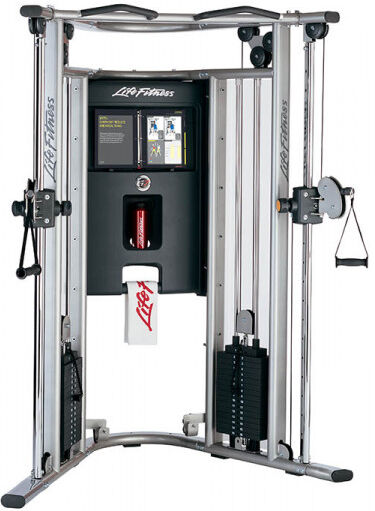
Life Fitness G7 GymLIFE FITNESS G7 GYM: APPROVED QUALITY, ERGONOMY, AND HIGH MOTION STANDARD The Life Fitness G7 Gym comes equipped with dual adjustable pulleys, offering a wide range of exercise varieties and customisation options. The ergonomically designed system mimics natural body motion, promoting proper...2195,00 £*Shipping: 0,00 £Secure redirect to the provider
-
Yoga For Men: Build Strength, Improve Performance, Increase Flexibility by Dean Pohlman - DK Paperback - Men's Fitness & Sports Yoga Guide with 50+Yoga for men: build strength, improve performance with this practical fitness guide. Written by Dean Pohlman, founder of Man Flow Yoga, it strips yoga back to its core for men who train hard. This book treats yoga as a training tool, not a lifestyle change, and provides clear photography and step-by-step instruction for over 50 key postures. It's aimed at the male body and typical male tightness patterns, making every posture approachable for beginners and seasoned athletes alike. With precise coaching cues and full-colour photographs, this guide helps you improve mobility, strengthen your core, reduce injuries, and enhance performance in the gym or on the pitch.9,99 £*Shipping: 2,99 £Secure redirect to the provider
-
Life Fitness G2 Multi GymThe Life Fitness G2 Multi Gym is a compact multi-gym that is perfect for your home gym. It sports a 160-lb weight stack and ergonomic motion paths to ensure your workouts are safe and challenging. MULTIFUNCTIONAL EXCELLENCE The G2 Multigym provides over twenty exercise options, including chest...1295,00 £*Shipping: 0,00 £Secure redirect to the provider
-
What are reactants and products?
Reactants are the starting materials in a chemical reaction that undergo a change to form new substances called products. Reactants are consumed during the reaction, while products are the end result of the reaction. The reactants are typically written on the left side of a chemical equation, while the products are written on the right side. **
-
What are limiting reactants in chemistry?
Limiting reactants, also known as limiting reagents, are the reactants in a chemical reaction that are completely consumed, thus limiting the amount of product that can be formed. In other words, they determine the maximum amount of product that can be produced in a reaction. The concept of limiting reactants is important in stoichiometry, as it helps to determine the theoretical yield of a reaction and identify the excess reactant that will be left over after the reaction is complete. **
-
How do you calculate reactants in chemistry?
To calculate reactants in chemistry, you first need to write a balanced chemical equation for the reaction. Then, determine the molar ratio between the reactants and the product in the balanced equation. Next, calculate the number of moles of the known reactant using its given mass or volume and its molar mass. Finally, use the molar ratio to calculate the number of moles of the other reactant needed for the reaction. **
-
Are only reactants given in redox reactions?
No, redox reactions involve both reactants and products. In a redox reaction, one substance undergoes oxidation (loses electrons) while another undergoes reduction (gains electrons). Therefore, both the reactants and products are involved in the redox process. The reactants are the starting materials that undergo the redox reaction, while the products are the resulting substances after the redox reaction has occurred. **
Similar search terms for Reactants
-
Life Fitness G4 Multi-GymThe Life Fitness G4 Multi-Gym offers a variety of fixed-motion strength training options to keep your body in top shape—all within the comfort of your own space. It includes dual pivot pec/reverse arms, mid pulley, lat pulldown, and low row bars, providing a range of upper body exercises for...1699,00 £*Shipping: 0,00 £Secure redirect to the provider
-
inspirefitness Inspire Fitness M5 Multi-GymThe Inspire Fitness M5 Multi-Gym is a high-end, dual-stack strength training system designed for serious home users and commercial facilities. With two independent 95kg (210lbs) weight stacks, two people can train at the same time without taking turns. The press arm moves in fixed and free...3599,00 £*Shipping: 0,00 £Secure redirect to the provider
-
Drop Dash Deals Stainless Steel Dumbbell Bottle Fitness Water Bottle And Gym Mug Stainless Steel Dumbbell Bottle Fitness Water Bottle And Gym MugTurn every sip into a small moment of strength. This 1 pc of fitness water bottle combines everyday hydration with a bold dumbbellinspired design, making it perfect for gym lovers, home workout fans, and anyone who likes their gear with personality....239,97 $*Shipping: 0,00 $Secure redirect to the provider
-
Plus Size Women's Lace Trim Essential Stretch Legging by Roaman's in White (Size 12) Activewear Workout Yoga Pants"Our essential stretch legging, with lace trim at the hem and an easy-on elastic waistband. Made to wear everywhere, it's the basic bottom to pair with tunics, dresses and more. The pretty peek of lace adds a feminine touch to every outfit. 28""..."20,00 $*Shipping: 0,00 $Secure redirect to the provider
-
How do you calculate the reactants in chemistry?
To calculate the reactants in a chemical reaction, you first need to write out the balanced chemical equation for the reaction. Then, you can use stoichiometry to calculate the amount of reactants needed based on the desired amount of product. This involves using the coefficients in the balanced equation to set up conversion factors and then using these conversion factors to calculate the amount of reactants required. Finally, you can use the molar mass of the reactants to convert between mass and moles if necessary. **
-
What are the products and what are the reactants?
In a chemical reaction, the reactants are the substances that undergo a chemical change to form new substances called products. Reactants are the starting materials that are transformed into products during the reaction. The products are the end result of the chemical reaction, formed from the rearrangement of atoms in the reactants. The reactants are consumed during the reaction, while the products are the new substances that are produced. **
-
How do you calculate the required amount of reactants?
To calculate the required amount of reactants, you first need to determine the balanced chemical equation for the reaction. Then, you can use stoichiometry to convert the given amount of one reactant to the amount of the other reactant needed for the reaction. This involves using the molar ratios from the balanced equation to convert between moles of the given reactant and moles of the required reactant. Finally, you can use the molar mass of the required reactant to convert from moles to the required amount in grams or other units as needed. **
-
'How do I solve an oxidation with multiple reactants?'
To solve an oxidation reaction with multiple reactants, you need to identify the oxidation numbers of each element in the reactants and products. Then, balance the equation by adding coefficients to ensure that the number of atoms of each element is the same on both sides of the equation. Next, determine which elements are being oxidized and which are being reduced by comparing their oxidation numbers before and after the reaction. Finally, balance the electrons transferred in the oxidation and reduction half-reactions to ensure that the overall charge is conserved. **
* All prices are inclusive of VAT and, if applicable, plus shipping costs. The offer information is based on the details provided by the respective shop and is updated through automated processes. Real-time updates do not occur, so deviations can occur in individual cases. ** Note: Parts of this content were created by AI.