Buy fitness-clothing.com ?
We are moving the project
fitness-clothing.com .
Are you interested in purchasing the domain
fitness-clothing.com ?
domain@kv-gmbh.de · 0541-91531010
Buy fitness-clothing.com ?
How is the partitive formed?
The partitive is formed in French by using the preposition "de" followed by the definite article "le," "la," or "les." This combination contracts to form "du," "de la," or "des" before a singular or plural noun, respectively. For example, "some bread" is "du pain" and "some apples" is "des pommes." The partitive is used to indicate an unspecified quantity or portion of a mass noun. **
What is the French partitive article?
The French partitive article is used to indicate an unspecified quantity of a noun that cannot be counted. It is formed by combining the preposition "de" with the definite article corresponding to the noun's gender and number. For example, "du" is used with masculine singular nouns, "de la" with feminine singular nouns, and "des" with plural nouns. The partitive article is used in French to express concepts like some, any, or a part of something. **
Similar search terms for Partitive
Top-Angebote
Products related to Partitive:
-
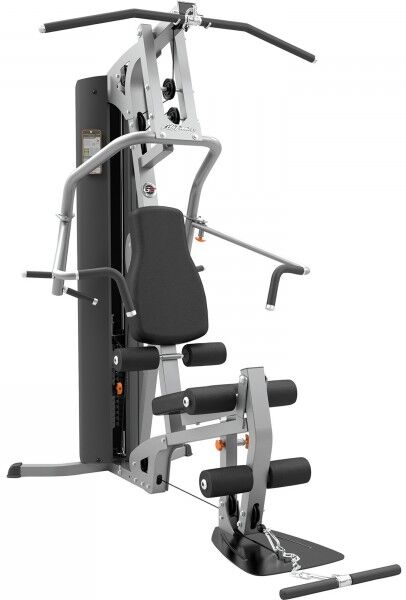
Life Fitness G2 Multi GymThe Life Fitness G2 Multi Gym is a compact multi-gym that is perfect for your home gym. It sports a 160-lb weight stack and ergonomic motion paths to ensure your workouts are safe and challenging. MULTIFUNCTIONAL EXCELLENCE The G2 Multigym provides over twenty exercise options, including chest...1295,00 £*Shipping: 0,00 £Secure redirect to the provider
-
Life Fitness G4 Multi-GymThe Life Fitness G4 Multi-Gym offers a variety of fixed-motion strength training options to keep your body in top shape—all within the comfort of your own space. It includes dual pivot pec/reverse arms, mid pulley, lat pulldown, and low row bars, providing a range of upper body exercises for...1699,00 £*Shipping: 0,00 £Secure redirect to the provider
-
Yoga For Men: Build Strength, Improve Performance, Increase Flexibility by Dean Pohlman - DK Paperback - Men's Fitness & Sports Yoga Guide with 50+Yoga for men: build strength, improve performance with this practical fitness guide. Written by Dean Pohlman, founder of Man Flow Yoga, it strips yoga back to its core for men who train hard. This book treats yoga as a training tool, not a lifestyle change, and provides clear photography and step-by-step instruction for over 50 key postures. It's aimed at the male body and typical male tightness patterns, making every posture approachable for beginners and seasoned athletes alike. With precise coaching cues and full-colour photographs, this guide helps you improve mobility, strengthen your core, reduce injuries, and enhance performance in the gym or on the pitch.9,99 £*Shipping: 2,99 £Secure redirect to the provider
-
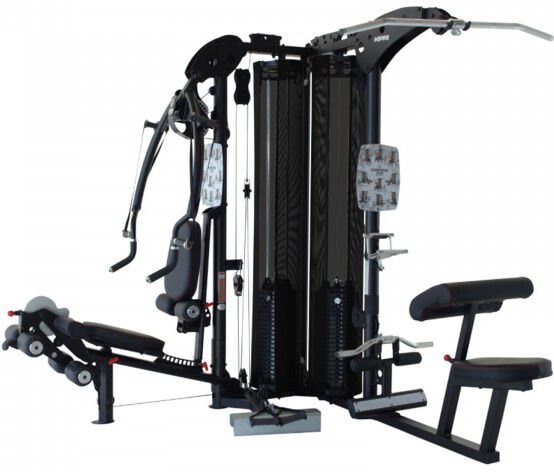
inspirefitness Inspire Fitness M5 Multi-GymThe Inspire Fitness M5 Multi-Gym is a high-end, dual-stack strength training system designed for serious home users and commercial facilities. With two independent 95kg (210lbs) weight stacks, two people can train at the same time without taking turns. The press arm moves in fixed and free...3599,00 £*Shipping: 0,00 £Secure redirect to the provider


-
What are partitive articles in the French language?
Partitive articles in French are used to indicate an unspecified quantity of a noun. They are used when referring to a portion or some of a mass noun, such as food or liquid. The partitive articles in French are "du" (for masculine nouns), "de la" (for feminine nouns), and "de l'" (for nouns starting with a vowel or silent "h"). These articles are essential for expressing the concept of some or any in French. **
-
What is the rule for the partitive article?
The rule for the partitive article in French is to use "de" followed by the definite article (le, la, les) to indicate an unspecified quantity or some of a mass noun. For example, "du" is used for masculine singular nouns, "de la" for feminine singular nouns, and "des" for plural nouns. The partitive article is used when referring to an unknown or unspecified quantity of something. **
-
How do you form the genitive partitive in Latin?
In Latin, the genitive partitive is formed by using the genitive case of the noun followed by the word "partis" or "partis" (depending on the gender of the noun) to indicate a part of the whole. For example, if the noun is "puella" (girl), the genitive partitive would be "puellae partis" to indicate "part of the girl." This construction is used to express the idea of "some of" or "a part of" something. **
-
What are partitive articles and quantity increases in French?
Partitive articles in French are used to indicate an unspecified quantity of a noun. They are used with uncountable nouns or when referring to a portion of something. Quantity increases in French involve using words like "plus de" (more), "beaucoup de" (a lot of), or "trop de" (too much) to indicate an increase in the quantity of something. These expressions are used to specify a larger amount of a noun compared to using just the partitive article. **


When do you use the partitive article in French?
The partitive article in French is used to indicate an unspecified quantity of a mass noun. It is used when referring to a part of a whole, or an unspecified amount of something. For example, "du" is used for masculine nouns, "de la" for feminine nouns, and "de l'" for nouns starting with a vowel or silent "h". It is important to use the partitive article when talking about food, drinks, or other uncountable nouns in French. **
Can you please help me with the partitive article?
The partitive article is used in French to indicate an unspecified quantity of something. It is often used with uncountable nouns to express "some" or "any" in English. The partitive article changes depending on the gender and number of the noun it precedes. For example, "du" is used before masculine singular nouns, "de la" before feminine singular nouns, and "des" before plural nouns. It is important to use the correct partitive article to indicate the appropriate quantity in French. **
Top-Angebote
Products related to Partitive:
-
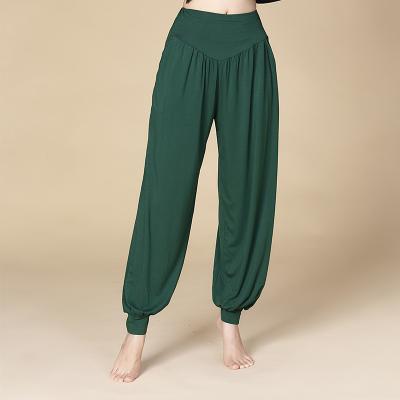
LightInthebox Women's Yoga Pants Side Pockets Wide Leg Harem High Waist Gym Workout Running Fitness Pants Bloomers Bottoms Solid Color Dark Grey Black White Cotton Modal Fall Winter Sports Activewear Micro-elasticSeason:Summer,Spring,Winter,Fall; Fabric:Cotton,Modal; Look After Me:Wet and Dry,Washable; Gender:Women's; Activity:Yoga,Running,Fitness,Gym Workout; Clothing Type:Bottoms,Bloomers,Pants; Elasticity:Micro-elastic; Occasion:Athleisure,Athletic; Fit...29,99 $*Shipping: 6,99 $Secure redirect to the provider
-
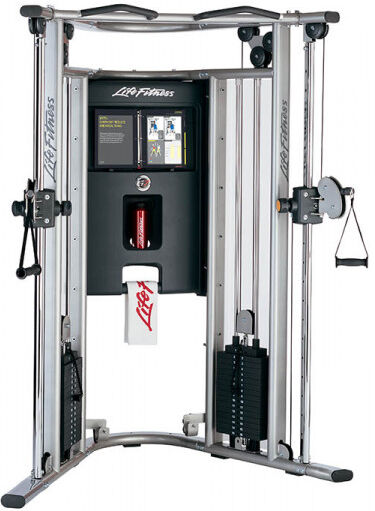
Life Fitness G7 GymLIFE FITNESS G7 GYM: APPROVED QUALITY, ERGONOMY, AND HIGH MOTION STANDARD The Life Fitness G7 Gym comes equipped with dual adjustable pulleys, offering a wide range of exercise varieties and customisation options. The ergonomically designed system mimics natural body motion, promoting proper...2195,00 £*Shipping: 0,00 £Secure redirect to the provider
-
Life Fitness G2 Multi GymThe Life Fitness G2 Multi Gym is a compact multi-gym that is perfect for your home gym. It sports a 160-lb weight stack and ergonomic motion paths to ensure your workouts are safe and challenging. MULTIFUNCTIONAL EXCELLENCE The G2 Multigym provides over twenty exercise options, including chest...1295,00 £*Shipping: 0,00 £Secure redirect to the provider
-
Life Fitness G4 Multi-GymThe Life Fitness G4 Multi-Gym offers a variety of fixed-motion strength training options to keep your body in top shape—all within the comfort of your own space. It includes dual pivot pec/reverse arms, mid pulley, lat pulldown, and low row bars, providing a range of upper body exercises for...1699,00 £*Shipping: 0,00 £Secure redirect to the provider
-
How is the partitive formed?
The partitive is formed in French by using the preposition "de" followed by the definite article "le," "la," or "les." This combination contracts to form "du," "de la," or "des" before a singular or plural noun, respectively. For example, "some bread" is "du pain" and "some apples" is "des pommes." The partitive is used to indicate an unspecified quantity or portion of a mass noun. **
-
What is the French partitive article?
The French partitive article is used to indicate an unspecified quantity of a noun that cannot be counted. It is formed by combining the preposition "de" with the definite article corresponding to the noun's gender and number. For example, "du" is used with masculine singular nouns, "de la" with feminine singular nouns, and "des" with plural nouns. The partitive article is used in French to express concepts like some, any, or a part of something. **
-
What are partitive articles in the French language?
Partitive articles in French are used to indicate an unspecified quantity of a noun. They are used when referring to a portion or some of a mass noun, such as food or liquid. The partitive articles in French are "du" (for masculine nouns), "de la" (for feminine nouns), and "de l'" (for nouns starting with a vowel or silent "h"). These articles are essential for expressing the concept of some or any in French. **
-
What is the rule for the partitive article?
The rule for the partitive article in French is to use "de" followed by the definite article (le, la, les) to indicate an unspecified quantity or some of a mass noun. For example, "du" is used for masculine singular nouns, "de la" for feminine singular nouns, and "des" for plural nouns. The partitive article is used when referring to an unknown or unspecified quantity of something. **
Similar search terms for Partitive
-
Yoga For Men: Build Strength, Improve Performance, Increase Flexibility by Dean Pohlman - DK Paperback - Men's Fitness & Sports Yoga Guide with 50+Yoga for men: build strength, improve performance with this practical fitness guide. Written by Dean Pohlman, founder of Man Flow Yoga, it strips yoga back to its core for men who train hard. This book treats yoga as a training tool, not a lifestyle change, and provides clear photography and step-by-step instruction for over 50 key postures. It's aimed at the male body and typical male tightness patterns, making every posture approachable for beginners and seasoned athletes alike. With precise coaching cues and full-colour photographs, this guide helps you improve mobility, strengthen your core, reduce injuries, and enhance performance in the gym or on the pitch.9,99 £*Shipping: 2,99 £Secure redirect to the provider
-
inspirefitness Inspire Fitness M5 Multi-GymThe Inspire Fitness M5 Multi-Gym is a high-end, dual-stack strength training system designed for serious home users and commercial facilities. With two independent 95kg (210lbs) weight stacks, two people can train at the same time without taking turns. The press arm moves in fixed and free...3599,00 £*Shipping: 0,00 £Secure redirect to the provider
-
Drop Dash Deals Stainless Steel Dumbbell Bottle Fitness Water Bottle And Gym Mug Stainless Steel Dumbbell Bottle Fitness Water Bottle And Gym MugTurn every sip into a small moment of strength. This 1 pc of fitness water bottle combines everyday hydration with a bold dumbbellinspired design, making it perfect for gym lovers, home workout fans, and anyone who likes their gear with personality....239,97 $*Shipping: 0,00 $Secure redirect to the provider
-
LightInthebox Men's Black Orange Running Sneakers - Breathable Lightweight Athletic Shoes - Cushioned Sport Trainers for Men, Running, Gym Workouts, Walking and Outdoor FitnessMaterials:Knit; Season:Spring,Summer,All Seasons; Gender:Men's; Size Suggestion:standard size, select your usual size; Toe Shape:Round Toe; Style:Casual,Vintage; Occasion:Daily; Closure Type:Lace-up; Function:Comfortable,Breathable;...42,99 $*Shipping: 6,99 $Secure redirect to the provider
-
How do you form the genitive partitive in Latin?
In Latin, the genitive partitive is formed by using the genitive case of the noun followed by the word "partis" or "partis" (depending on the gender of the noun) to indicate a part of the whole. For example, if the noun is "puella" (girl), the genitive partitive would be "puellae partis" to indicate "part of the girl." This construction is used to express the idea of "some of" or "a part of" something. **
-
What are partitive articles and quantity increases in French?
Partitive articles in French are used to indicate an unspecified quantity of a noun. They are used with uncountable nouns or when referring to a portion of something. Quantity increases in French involve using words like "plus de" (more), "beaucoup de" (a lot of), or "trop de" (too much) to indicate an increase in the quantity of something. These expressions are used to specify a larger amount of a noun compared to using just the partitive article. **
-
When do you use the partitive article in French?
The partitive article in French is used to indicate an unspecified quantity of a mass noun. It is used when referring to a part of a whole, or an unspecified amount of something. For example, "du" is used for masculine nouns, "de la" for feminine nouns, and "de l'" for nouns starting with a vowel or silent "h". It is important to use the partitive article when talking about food, drinks, or other uncountable nouns in French. **
-
Can you please help me with the partitive article?
The partitive article is used in French to indicate an unspecified quantity of something. It is often used with uncountable nouns to express "some" or "any" in English. The partitive article changes depending on the gender and number of the noun it precedes. For example, "du" is used before masculine singular nouns, "de la" before feminine singular nouns, and "des" before plural nouns. It is important to use the correct partitive article to indicate the appropriate quantity in French. **
* All prices are inclusive of VAT and, if applicable, plus shipping costs. The offer information is based on the details provided by the respective shop and is updated through automated processes. Real-time updates do not occur, so deviations can occur in individual cases. ** Note: Parts of this content were created by AI.