Buy fitness-clothing.com ?
We are moving the project
fitness-clothing.com .
Are you interested in purchasing the domain
fitness-clothing.com ?
domain@kv-gmbh.de · 0541-91531010
Buy fitness-clothing.com ?
Is Samadhi in yoga equivalent to Nirvana in Buddhism?
No, Samadhi in yoga and Nirvana in Buddhism are not equivalent. Samadhi refers to a state of deep concentration and meditative absorption in yoga, where the practitioner experiences a sense of oneness and unity. On the other hand, Nirvana in Buddhism is the ultimate goal of liberation from suffering and the cycle of birth and death, achieved through enlightenment and the cessation of craving and attachment. While both concepts involve a state of profound spiritual realization, they are rooted in different philosophical and religious traditions. **
Is samadhi in yoga equivalent to nirvana in Buddhism?
No, samadhi in yoga is not equivalent to nirvana in Buddhism. Samadhi refers to a state of deep concentration and meditative absorption in yoga, where the practitioner experiences a sense of oneness and unity. On the other hand, nirvana in Buddhism is the ultimate goal of enlightenment and liberation from the cycle of birth and death. While both concepts involve a deep spiritual experience, they have different philosophical and religious implications in their respective traditions. **

Similar search terms for Buddhism
Top-Angebote
Products related to Buddhism:
-
LightInthebox Women's Yoga Pants Side Pockets Wide Leg Harem High Waist Gym Workout Running Fitness Pants Bloomers Bottoms Solid Color Dark Grey Black White Cotton Modal Fall Winter Sports Activewear Micro-elasticSeason:Summer,Spring,Winter,Fall; Fabric:Cotton,Modal; Look After Me:Wet and Dry,Washable; Gender:Women's; Activity:Yoga,Running,Fitness,Gym Workout; Clothing Type:Bottoms,Bloomers,Pants; Elasticity:Micro-elastic; Occasion:Athleisure,Athletic; Fit...29,99 $*Shipping: 6,99 $Secure redirect to the provider
-
Life Fitness G7 GymLIFE FITNESS G7 GYM: APPROVED QUALITY, ERGONOMY, AND HIGH MOTION STANDARD The Life Fitness G7 Gym comes equipped with dual adjustable pulleys, offering a wide range of exercise varieties and customisation options. The ergonomically designed system mimics natural body motion, promoting proper...2195,00 £*Shipping: 0,00 £Secure redirect to the provider
-
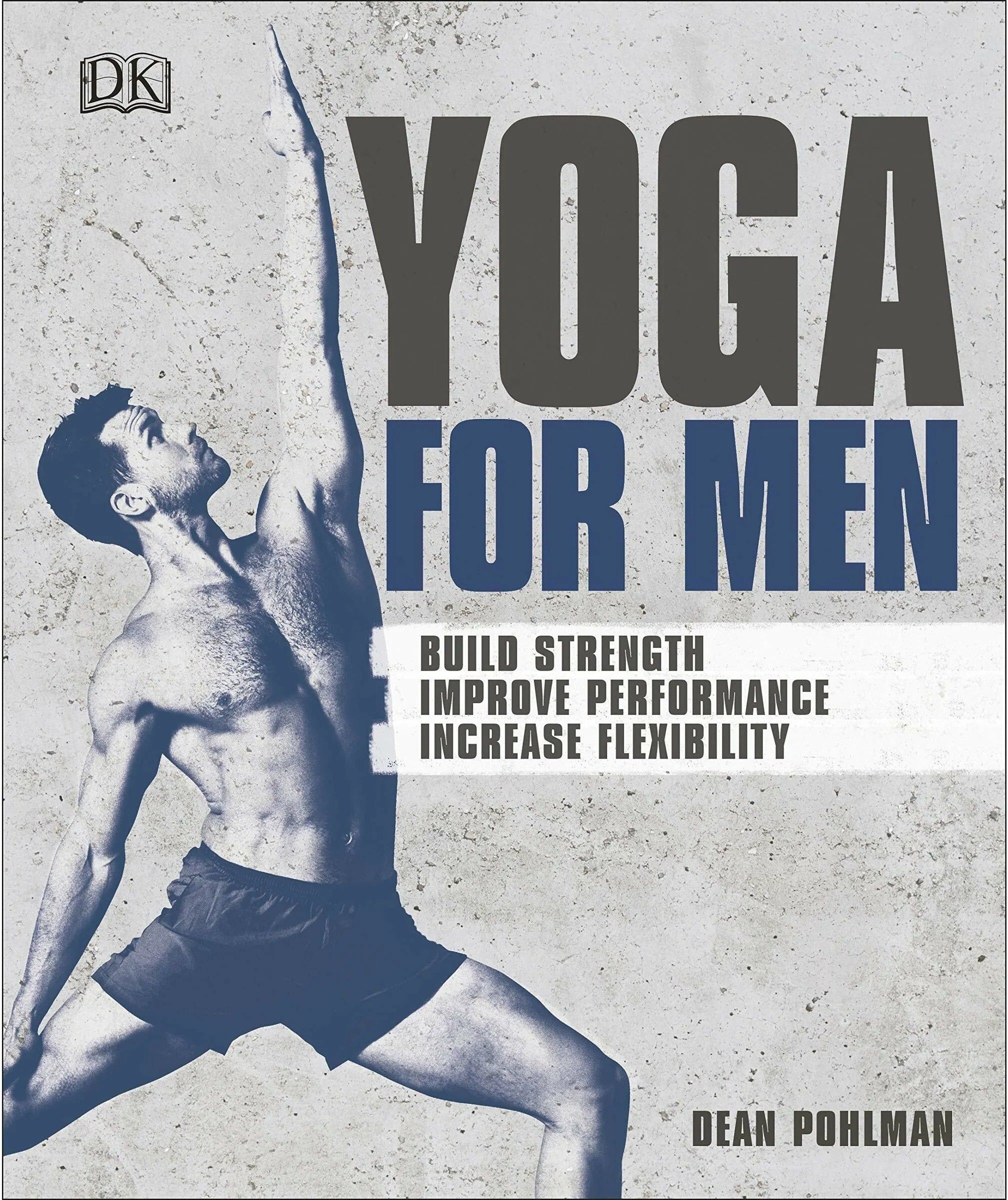
Yoga For Men: Build Strength, Improve Performance, Increase Flexibility by Dean Pohlman - DK Paperback - Men's Fitness & Sports Yoga Guide with 50+Yoga for men: build strength, improve performance with this practical fitness guide. Written by Dean Pohlman, founder of Man Flow Yoga, it strips yoga back to its core for men who train hard. This book treats yoga as a training tool, not a lifestyle change, and provides clear photography and step-by-step instruction for over 50 key postures. It's aimed at the male body and typical male tightness patterns, making every posture approachable for beginners and seasoned athletes alike. With precise coaching cues and full-colour photographs, this guide helps you improve mobility, strengthen your core, reduce injuries, and enhance performance in the gym or on the pitch.9,99 £*Shipping: 2,99 £Secure redirect to the provider
-
Life Fitness G2 Multi GymThe Life Fitness G2 Multi Gym is a compact multi-gym that is perfect for your home gym. It sports a 160-lb weight stack and ergonomic motion paths to ensure your workouts are safe and challenging. MULTIFUNCTIONAL EXCELLENCE The G2 Multigym provides over twenty exercise options, including chest...1295,00 £*Shipping: 0,00 £Secure redirect to the provider



-
What are the differences between Buddhism and Tibetan Buddhism?
Buddhism is a broader religion that encompasses various traditions and schools, while Tibetan Buddhism is a specific branch of Buddhism that developed in Tibet. Tibetan Buddhism incorporates elements of Tibetan culture, such as rituals, deities, and practices like chanting and visualization. It also places a strong emphasis on the teachings of Tibetan Buddhist masters and the importance of the Dalai Lama. Additionally, Tibetan Buddhism includes unique practices such as the use of prayer flags, prayer wheels, and mandalas. **
-
What is the difference between Buddhism and Zen Buddhism?
Buddhism is a broader religion and philosophy that encompasses a variety of traditions and practices, while Zen Buddhism is a specific school or branch of Mahayana Buddhism that emphasizes meditation and direct experience of enlightenment. Zen Buddhism places a strong emphasis on the practice of meditation (zazen) as a means to achieve enlightenment, while traditional Buddhism incorporates a wider range of practices such as chanting, rituals, and study of Buddhist scriptures. Additionally, Zen Buddhism often focuses on the teachings of specific Zen masters and the importance of the teacher-student relationship in transmitting wisdom and insight. **
-
Is Buddhism illogical?
Buddhism is not inherently illogical. It is a complex and diverse belief system that encompasses a wide range of philosophical and ethical teachings. While some aspects of Buddhist doctrine may seem counterintuitive or difficult to understand from a Western perspective, they are based on a different cultural and philosophical framework. Many Buddhist teachings emphasize the importance of critical thinking and personal experience, and encourage followers to question and explore their beliefs. Ultimately, whether Buddhism is considered logical or not may depend on one's own perspective and understanding of its teachings. **
-
What is the difference between Zen Buddhism and regular Buddhism?
The main difference between Zen Buddhism and regular Buddhism lies in their approach to meditation and enlightenment. Zen Buddhism, which originated in China and later developed in Japan, emphasizes the practice of meditation (zazen) as the primary means to attain enlightenment. It focuses on direct experience and intuitive understanding, often through the guidance of a teacher. Regular Buddhism, on the other hand, encompasses a variety of traditions and practices, with meditation being just one of them. It places more emphasis on the study of scriptures, ethical conduct, and the development of wisdom and compassion. While both Zen Buddhism and regular Buddhism share the same core teachings of the Four Noble Truths and the Eightfold Path, their methods and emphasis on practice differ. **


What is the connection between Buddhism, hair culture, and clothing?
Buddhism, hair culture, and clothing are interconnected through the concept of modesty and simplicity. In Buddhism, adherents often practice modesty and simplicity in their appearance, which can be reflected in their hair culture and clothing choices. For example, some Buddhist monks and nuns shave their heads as a symbol of renunciation of worldly attachments and to maintain simplicity. Additionally, Buddhist teachings emphasize the importance of modest and simple clothing, as a way to reduce attachment to material possessions and to promote humility. Overall, the connection between Buddhism, hair culture, and clothing lies in the shared values of modesty, simplicity, and detachment from worldly desires. **
What does Buddhism teach?
Buddhism teaches the Four Noble Truths, which are the truths of suffering, the cause of suffering, the end of suffering, and the path to the end of suffering. It also emphasizes the importance of mindfulness, compassion, and non-attachment. Buddhism teaches that all beings are interconnected and that the ultimate goal is to achieve enlightenment and liberation from the cycle of birth and death (samsara). **
Top-Angebote
Products related to Buddhism:
-
Watkins Publishing Zen and the Art of Dealing with Difficult People by Mark Westmoquette - Paperback - Mindfulness & Zen Buddhism Guide for Adults - UK EditionZen and the Art of Dealing with Difficult People is a thoughtful, practical guide for anyone who has ever felt wound up, drained, or triggered by another person. Drawing on Zen Buddhism and mindfulness practice, astrophysicist-turned-meditation-teacher Mark Westmoquette shows readers how to recognise recurring patterns in their reactions to "difficult" people and use these encounters as opportunities for genuine personal growth, rather than sources of ongoing frustration and pain. Every one of us has at least one "troublesome Buddha" in our lives—a colleague, relative, friend, or stranger whose behaviour seems to press all our buttons. This book argues that these people are not simply obstacles to be endured, but mirrors that reveal our own unexamined habits, fears, and conditioning. Using accessible explanations of Zen philosophy alongside structured mindful practice, Westmoquette provides a roadmap for navigating challenging interactions with composure. Published by Watkins Publishing, this paperback edition is designed for adult readers seeking a grounded approach to interpersonal dynamics.3,99 £*Shipping: 2,99 £Secure redirect to the provider
-
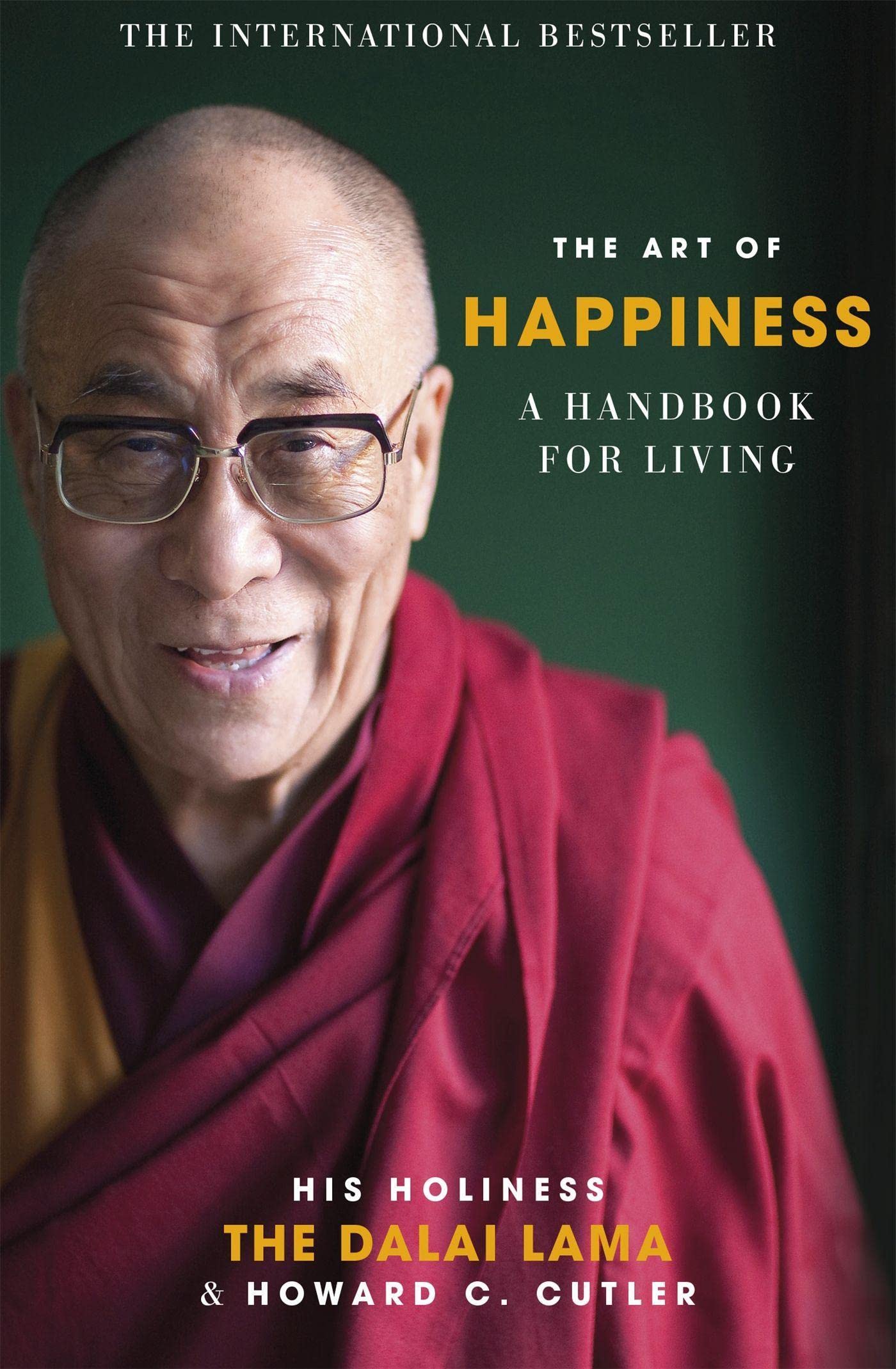
Hodder & Stoughton The Art of Happiness: A Handbook for Living by The Dalai Lama & Howard C. Cutler - Paperback Self-Help Classic on Buddhism & WellbeingA handbook for living, 'The Art of Happiness' pairs the spiritual insight of the Dalai Lama with the clinical expertise of Dr Howard C. Cutler. This practical guide explores how lasting contentment can be cultivated in everyday life, blending Tibetan Buddhist philosophy with Western psychology. The book is based on conversations between the Dalai Lama and Dr Cutler, recorded over several years, and offers a unique perspective on anxiety, loneliness, anger, loss, and the pursuit of wealth. Written with warmth, humour, and practicality, this influential work remains a valuable resource for those seeking calm and inner peace.9,99 £*Shipping: 2,99 £Secure redirect to the provider
-
LightInthebox Women's Yoga Pants Side Pockets Wide Leg Harem High Waist Gym Workout Running Fitness Pants Bloomers Bottoms Solid Color Dark Grey Black White Cotton Modal Fall Winter Sports Activewear Micro-elasticSeason:Summer,Spring,Winter,Fall; Fabric:Cotton,Modal; Look After Me:Wet and Dry,Washable; Gender:Women's; Activity:Yoga,Running,Fitness,Gym Workout; Clothing Type:Bottoms,Bloomers,Pants; Elasticity:Micro-elastic; Occasion:Athleisure,Athletic; Fit...29,99 $*Shipping: 6,99 $Secure redirect to the provider
-
Life Fitness G7 GymLIFE FITNESS G7 GYM: APPROVED QUALITY, ERGONOMY, AND HIGH MOTION STANDARD The Life Fitness G7 Gym comes equipped with dual adjustable pulleys, offering a wide range of exercise varieties and customisation options. The ergonomically designed system mimics natural body motion, promoting proper...2195,00 £*Shipping: 0,00 £Secure redirect to the provider
-
Is Samadhi in yoga equivalent to Nirvana in Buddhism?
No, Samadhi in yoga and Nirvana in Buddhism are not equivalent. Samadhi refers to a state of deep concentration and meditative absorption in yoga, where the practitioner experiences a sense of oneness and unity. On the other hand, Nirvana in Buddhism is the ultimate goal of liberation from suffering and the cycle of birth and death, achieved through enlightenment and the cessation of craving and attachment. While both concepts involve a state of profound spiritual realization, they are rooted in different philosophical and religious traditions. **
-
Is samadhi in yoga equivalent to nirvana in Buddhism?
No, samadhi in yoga is not equivalent to nirvana in Buddhism. Samadhi refers to a state of deep concentration and meditative absorption in yoga, where the practitioner experiences a sense of oneness and unity. On the other hand, nirvana in Buddhism is the ultimate goal of enlightenment and liberation from the cycle of birth and death. While both concepts involve a deep spiritual experience, they have different philosophical and religious implications in their respective traditions. **
-
What are the differences between Buddhism and Tibetan Buddhism?
Buddhism is a broader religion that encompasses various traditions and schools, while Tibetan Buddhism is a specific branch of Buddhism that developed in Tibet. Tibetan Buddhism incorporates elements of Tibetan culture, such as rituals, deities, and practices like chanting and visualization. It also places a strong emphasis on the teachings of Tibetan Buddhist masters and the importance of the Dalai Lama. Additionally, Tibetan Buddhism includes unique practices such as the use of prayer flags, prayer wheels, and mandalas. **
-
What is the difference between Buddhism and Zen Buddhism?
Buddhism is a broader religion and philosophy that encompasses a variety of traditions and practices, while Zen Buddhism is a specific school or branch of Mahayana Buddhism that emphasizes meditation and direct experience of enlightenment. Zen Buddhism places a strong emphasis on the practice of meditation (zazen) as a means to achieve enlightenment, while traditional Buddhism incorporates a wider range of practices such as chanting, rituals, and study of Buddhist scriptures. Additionally, Zen Buddhism often focuses on the teachings of specific Zen masters and the importance of the teacher-student relationship in transmitting wisdom and insight. **
Similar search terms for Buddhism
-
Yoga For Men: Build Strength, Improve Performance, Increase Flexibility by Dean Pohlman - DK Paperback - Men's Fitness & Sports Yoga Guide with 50+Yoga for men: build strength, improve performance with this practical fitness guide. Written by Dean Pohlman, founder of Man Flow Yoga, it strips yoga back to its core for men who train hard. This book treats yoga as a training tool, not a lifestyle change, and provides clear photography and step-by-step instruction for over 50 key postures. It's aimed at the male body and typical male tightness patterns, making every posture approachable for beginners and seasoned athletes alike. With precise coaching cues and full-colour photographs, this guide helps you improve mobility, strengthen your core, reduce injuries, and enhance performance in the gym or on the pitch.9,99 £*Shipping: 2,99 £Secure redirect to the provider
-
Life Fitness G2 Multi GymThe Life Fitness G2 Multi Gym is a compact multi-gym that is perfect for your home gym. It sports a 160-lb weight stack and ergonomic motion paths to ensure your workouts are safe and challenging. MULTIFUNCTIONAL EXCELLENCE The G2 Multigym provides over twenty exercise options, including chest...1295,00 £*Shipping: 0,00 £Secure redirect to the provider
-
Life Fitness G4 Multi-GymThe Life Fitness G4 Multi-Gym offers a variety of fixed-motion strength training options to keep your body in top shape—all within the comfort of your own space. It includes dual pivot pec/reverse arms, mid pulley, lat pulldown, and low row bars, providing a range of upper body exercises for...1699,00 £*Shipping: 0,00 £Secure redirect to the provider
-
inspirefitness Inspire Fitness M5 Multi-GymThe Inspire Fitness M5 Multi-Gym is a high-end, dual-stack strength training system designed for serious home users and commercial facilities. With two independent 95kg (210lbs) weight stacks, two people can train at the same time without taking turns. The press arm moves in fixed and free...3599,00 £*Shipping: 0,00 £Secure redirect to the provider
-
Is Buddhism illogical?
Buddhism is not inherently illogical. It is a complex and diverse belief system that encompasses a wide range of philosophical and ethical teachings. While some aspects of Buddhist doctrine may seem counterintuitive or difficult to understand from a Western perspective, they are based on a different cultural and philosophical framework. Many Buddhist teachings emphasize the importance of critical thinking and personal experience, and encourage followers to question and explore their beliefs. Ultimately, whether Buddhism is considered logical or not may depend on one's own perspective and understanding of its teachings. **
-
What is the difference between Zen Buddhism and regular Buddhism?
The main difference between Zen Buddhism and regular Buddhism lies in their approach to meditation and enlightenment. Zen Buddhism, which originated in China and later developed in Japan, emphasizes the practice of meditation (zazen) as the primary means to attain enlightenment. It focuses on direct experience and intuitive understanding, often through the guidance of a teacher. Regular Buddhism, on the other hand, encompasses a variety of traditions and practices, with meditation being just one of them. It places more emphasis on the study of scriptures, ethical conduct, and the development of wisdom and compassion. While both Zen Buddhism and regular Buddhism share the same core teachings of the Four Noble Truths and the Eightfold Path, their methods and emphasis on practice differ. **
-
What is the connection between Buddhism, hair culture, and clothing?
Buddhism, hair culture, and clothing are interconnected through the concept of modesty and simplicity. In Buddhism, adherents often practice modesty and simplicity in their appearance, which can be reflected in their hair culture and clothing choices. For example, some Buddhist monks and nuns shave their heads as a symbol of renunciation of worldly attachments and to maintain simplicity. Additionally, Buddhist teachings emphasize the importance of modest and simple clothing, as a way to reduce attachment to material possessions and to promote humility. Overall, the connection between Buddhism, hair culture, and clothing lies in the shared values of modesty, simplicity, and detachment from worldly desires. **
-
What does Buddhism teach?
Buddhism teaches the Four Noble Truths, which are the truths of suffering, the cause of suffering, the end of suffering, and the path to the end of suffering. It also emphasizes the importance of mindfulness, compassion, and non-attachment. Buddhism teaches that all beings are interconnected and that the ultimate goal is to achieve enlightenment and liberation from the cycle of birth and death (samsara). **
* All prices are inclusive of VAT and, if applicable, plus shipping costs. The offer information is based on the details provided by the respective shop and is updated through automated processes. Real-time updates do not occur, so deviations can occur in individual cases. ** Note: Parts of this content were created by AI.